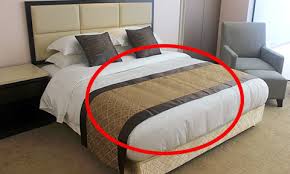
If you’ve ever stayed in a hotel, you’ve probably noticed a decorative strip of fabric placed neatly across the foot of the bed. Often matching the room’s design, this piece—commonly called a bed runner—may seem purely aesthetic at first glance. However, its purpose goes far beyond decoration. In fact, this simple item plays several practical and hygienic roles that many guests are unaware of.
What Is a Bed Runner?
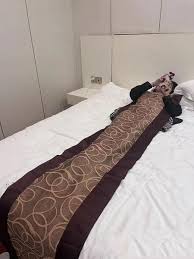
A bed runner is a narrow piece of cloth laid horizontally across the lower portion of a bed. It is typically made from durable fabric and designed to complement the room’s overall style.
Unlike sheets or blankets, the bed runner is not meant for sleeping under. Instead, it serves as a protective and functional layer.
1. Protecting the Bed from Dirt and Damage
One of the main purposes of a bed runner is protection.
Guests often:
- Sit on the edge of the bed
- Place luggage, bags, or shoes on it
- Rest items like food or personal belongings
The bed runner acts as a barrier between these potentially dirty items and the clean white sheets. This helps hotels maintain hygiene and reduces the frequency of washing bedding.
2. A Convenient Place for Shoes and Bags
Many travelers unknowingly use the bed runner when they:
- Remove or adjust their shoes
- Place handbags or backpacks temporarily
- Set down coats or accessories
Because it is made of sturdier material, the runner is designed to handle more wear and tear than delicate bed linens.
3. Enhancing Room Aesthetics
Hotels pay great attention to visual presentation, and the bed runner contributes significantly to the room’s appearance.
It helps to:
- Add a pop of color or pattern
- Create a sense of luxury and structure
- Tie together the room’s interior design
Without it, the bed might look plain or less inviting.
4. A Functional Dining Surface
Although not officially intended for eating, some guests use the bed runner as a temporary surface for snacks or drinks.
It provides:
- A more durable area compared to white sheets
- A layer that is easier to clean or replace
This reduces the risk of staining the bedding.
5. A Clean Spot for Personal Use
Some travelers also use the bed runner for personal comfort or hygiene purposes.
For example, it can be used as:
- A place to sit without dirtying the bed
- A surface for placing items like laptops or books
- A temporary layer when lying across the bed fully clothed
6. Easy Maintenance for Hotels
From a hotel management perspective, bed runners are practical because:
- They are easier and cheaper to clean than full bedding
- They can be replaced quickly if stained or damaged
- They extend the lifespan of sheets and duvets
This helps hotels maintain high cleanliness standards while controlling costs.
Should You Use It?
While the bed runner is designed for convenience, some travelers choose to remove it during their stay.
Why?
- It is often the least frequently washed item on the bed
- It comes into contact with shoes, luggage, and other items
If hygiene is a concern, you may prefer to set it aside.
Interesting Travel Tip
Next time you check into a hotel room, observe how the bed runner is positioned. It’s not random—its placement is intentional to align with how guests naturally use the bed.
Understanding its purpose can help you:
- Use your space more efficiently
- Keep your belongings organized
- Maintain cleanliness during your stay
Conclusion
The cloth across hotel beds is far more than a decorative touch. Known as a bed runner, it serves multiple practical purposes—from protecting linens to enhancing the room’s appearance and providing convenience for guests.
Though often overlooked, this simple detail reflects the thoughtful design behind hotel rooms. So the next time you see that strip of fabric at the foot of your bed, you’ll know it’s there for a reason—and it might just make your stay a little more comfortable.