Bath towels are one of the most common household items, used daily without much thought. Yet, many people have noticed the distinctive horizontal or vertical “lines” woven into most towels and wondered about their purpose. Are they just decorative, or do they serve a practical function? Surprisingly, these lines—often overlooked—play an important role in the towel’s performance, durability, and design.
What Are These Lines Called?
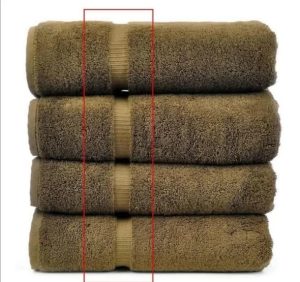
The lines on a bath towel are commonly referred to as “dobby borders” or “decorative bands.”
They are:
- Tightly woven sections of fabric
- Located near the edges or across the towel
- Distinct in texture compared to the rest of the towel
While they may appear purely aesthetic, their function goes far beyond decoration.
1. Enhancing Durability
One of the main purposes of these lines is to reinforce the structure of the towel.
The tightly woven bands:
- Strengthen areas that experience frequent handling
- Prevent fraying at the edges
- Help the towel maintain its shape after repeated washing
Without these reinforced sections, towels would wear out much faster, especially along the edges.
2. Preventing Excessive Stretching
Towels are exposed to moisture, heat, and repeated use, which can cause the fabric to stretch over time.
The lines act as stabilizers by:
- Maintaining the towel’s original shape
- Reducing deformation during washing and drying
- Providing structural balance
This ensures that your towel remains functional and visually consistent even after many uses.
3. Improving Absorbency Performance
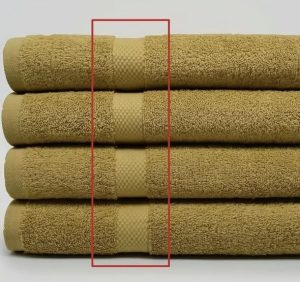
While the soft, fluffy parts of a towel are designed for maximum absorbency, the lines help optimize how the towel functions overall.
By creating contrast between:
- Dense woven areas (the lines)
- Looser, absorbent areas (the main surface)
the towel can:
- Distribute water more effectively
- Dry more evenly
- Maintain its absorbent quality over time
This balance enhances both comfort and efficiency.
4. A Guide for Folding and Hanging
Another practical but often unnoticed benefit is that these lines can serve as visual guides.
They help users:
- Fold towels neatly and evenly
- Align the towel when hanging
- Maintain a tidy appearance in storage
This is especially useful in hotels and households that prioritize organized presentation.
5. Aesthetic and Design Element
Of course, the lines also contribute to the towel’s appearance.
Manufacturers use these bands to:
- Add subtle decorative detail
- Create a sense of symmetry
- Enhance the overall visual appeal
Even though function is key, design plays a role in making everyday items more attractive.
Why Most People Don’t Notice
Despite their usefulness, many people overlook these lines because:
- Towels are considered simple, everyday items
- The design is subtle and familiar
- The function is not immediately obvious
It’s a reminder that even the most ordinary objects can have thoughtful design features built into them.
How to Choose a Good Towel
Understanding these features can help you make better choices when buying towels.
Look for:
- Strong, well-defined borders
- High-quality stitching
- Soft but durable fabric
A well-made towel will balance comfort, absorbency, and long-term durability.
Caring for Your Towels
To maintain the benefits of these design features:
- Wash towels in warm water
- Avoid overusing fabric softeners (they reduce absorbency)
- Dry thoroughly to prevent mildew
- Do not overload the washing machine
Proper care ensures your towels remain effective and long-lasting.
Conclusion
The lines on bath towels are far more than decorative details—they are a smart design feature that enhances durability, functionality, and appearance. From preventing wear and tear to improving absorbency and structure, these subtle elements play an important role in everyday comfort.
Next time you pick up a towel, take a closer look. What once seemed like a simple pattern is actually a thoughtful combination of design and practicality—proof that even the smallest details can make a big difference.