Mucus in the throat is a normal part of the body’s defense system, helping to trap dust, bacteria, and other harmful particles. However, when mucus becomes excessive or persistent, it can lead to discomfort, frequent throat clearing, coughing, and even difficulty swallowing. Many people experience this issue without understanding its root cause. Identifying why excess mucus forms is essential for finding the right treatment and preventing long-term irritation.
What Is Mucus and Why Is It Important?

Mucus is a thick, slippery substance produced by the lining of the respiratory system. It plays a vital role in:
- Protecting the airways from infection
- Trapping allergens and pollutants
- Keeping the throat and nasal passages moist
Under normal conditions, mucus is produced in small amounts and goes unnoticed. Problems arise when production increases or when mucus becomes too thick.
Common Causes of Excess Mucus
There are several reasons why mucus may build up in the throat. Some are temporary, while others may require medical attention.
1. Respiratory Infections
Colds, flu, and other respiratory infections are among the most common causes. During infection, the body produces more mucus to trap and remove viruses or bacteria.
Symptoms may include:
- Coughing
- Sore throat
- Congestion
In most cases, this type of mucus clears up once the infection resolves.
2. Allergies
Allergic reactions to pollen, dust, pet dander, or mold can trigger increased mucus production. This is often accompanied by:
- Sneezing
- Itchy eyes
- Runny nose
The mucus may drip down the back of the throat, a condition known as postnasal drip.
3. Acid Reflux (GERD)
Gastroesophageal reflux disease (GERD) occurs when stomach acid flows back into the throat. This can irritate the lining and lead to excess mucus production.
Common signs include:
- A burning sensation in the chest
- Chronic throat clearing
- Hoarseness
In some cases, mucus may be the only noticeable symptom.
4. Dehydration
When the body lacks sufficient fluids, mucus can become thicker and harder to clear. This can make it feel like mucus is constantly stuck in the throat.
Drinking enough water is essential for maintaining normal mucus consistency.
5. Smoking and Air Pollution
Exposure to smoke, dust, and pollutants irritates the respiratory system, leading to increased mucus production. Smokers often experience chronic throat mucus due to ongoing irritation.
When to Be Concerned
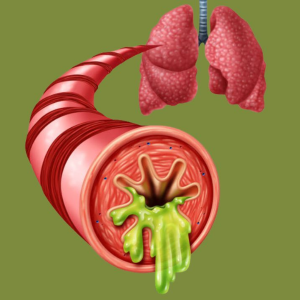
While occasional mucus is normal, certain signs may indicate a more serious issue:
- Mucus lasting more than a few weeks
- Thick, discolored mucus (yellow or green)
- Difficulty breathing or swallowing
- Blood in mucus
If you experience these symptoms, it is important to consult a healthcare professional.
Effective Ways to Reduce Throat Mucus
Managing excess mucus often involves treating the underlying cause. Here are some practical and effective solutions:
1. Stay Hydrated
Drinking plenty of water helps thin mucus, making it easier to clear.
2. Use Warm Fluids
Herbal teas, warm water with honey, or broth can soothe the throat and reduce irritation.
3. Gargle with Salt Water
Salt water can help reduce inflammation and clear mucus buildup.
4. Avoid Irritants
Limit exposure to smoke, pollution, and allergens whenever possible.
5. Improve Indoor Air Quality
Using a humidifier can add moisture to the air, preventing mucus from becoming too thick.
Medical Treatments
If home remedies are not effective, doctors may recommend:
- Antihistamines for allergies
- Decongestants to reduce mucus production
- Proton pump inhibitors for acid reflux
- Antibiotics if a bacterial infection is present
Treatment depends on the specific cause, so proper diagnosis is important.
Prevention Tips
To prevent recurring mucus problems:
- Maintain good hydration
- Eat a balanced diet
- Avoid smoking
- Manage allergies effectively
- Practice good hygiene to prevent infections
These habits can significantly reduce the likelihood of persistent throat mucus.