If Your Hip Hurts, It May Be Your Body’s Way of Sending a Warning
Hip pain is a common complaint that affects people of all ages, from active young adults to older individuals. While…
26/03/2026 15:17
Are you one of those people who can’t drift off without the rhythmic hum and cool breeze of a fan? For many, a bedside fan is the ultimate sleep hack—a source of soothing white noise and a shield against the sweltering heat. But have you ever woken up with a scratchy throat, dry eyes, or a strangely stiff neck?
While it might seem like a harmless habit, leaving a fan on all night can affect your body in ways you might not realize. From circulating hidden dust to drying out your skin, the “fan life” comes with a few trade-offs.

In this guide, we’ll explore the real impact of overnight airflow on your health and share professional tips on how to stay cool without the morning-after “fan hangover.”
The short answer is: It depends on your body. For most healthy adults, sleeping with a fan is perfectly safe. However, for those with sensitive sinuses, allergies, or certain skin conditions, that constant stream of air can trigger a series of uncomfortable reactions. Because the air is moving continuously, it doesn’t just cool you down; it also moves everything else in the room’s atmosphere.
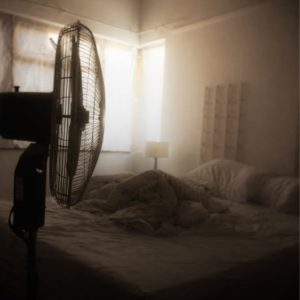
If you find yourself reaching for the eye drops or sneezing the moment you wake up, your fan might be the culprit. Here is what happens to your body during those seven to eight hours of exposure:
Fans don’t just move air; they circulate dust, pollen, and pet dander. If your fan blades haven’t been cleaned recently, they act like a centrifuge, flinging allergens directly toward your face. This can lead to:
Persistent sneezing.
Watery or itchy eyes.
A “stuffy” feeling in the morning.
The constant blast of air can evaporate the moisture in your nasal passages. When your nose becomes too dry, your body overcompensates by producing excess mucus to stay lubricated. Ironically, this often leads to a blocked nose, sinus headaches, and a sore throat by sunrise.
If you sleep with your eyes slightly open (a common condition known as nocturnal lagophthalmos) or wear contact lenses during the day, a fan can be particularly irritating. The airflow dries out the tear film, leaving your eyes red and gritty. Similarly, it can zap moisture from your skin, which might exacerbate conditions like eczema or general winter dryness.
Have you ever woken up with a “crick” in your neck? Concentrated cool air hitting a specific part of your body for hours can cause muscles to tense up or cramp. This is why people often feel achy if the fan is pointed directly at their neck or back all night.
Despite the potential downsides, fans are incredibly popular for a reason. They offer several evidence-based benefits for sleep quality:
Temperature Regulation: Your body needs to drop its core temperature to initiate deep sleep. A fan helps this process by promoting sweat evaporation.
White Noise: The steady “whir” of a fan provides a consistent sound masking that drowns out disruptive noises like barking dogs or passing cars.
Air Circulation: It prevents a room from feeling “stuffy” or stagnant, which can improve the overall comfort of your sleep environment.
Hip pain is a common complaint that affects people of all ages, from active young adults to older individuals. While…
Are you one of those people who can’t drift off without the rhythmic hum and cool breeze of a fan?…
Ringing in the ears, medically known as tinnitus, is a common condition that affects millions of people worldwide. Many individuals…

At an Oxfordshire hospice, chef Spencer Richards makes sure those nearing the end of their life are served meals prepared…

When it comes to your routine of keeping your skin and teeth healthy, nature often provides the most powerful solutions.…
For most people, rings are just a piece of jewelry that serves the purpose of matching an outfit or simply…