
The Hidden Truth About Sleeping with a Fan On
Are you one of those people who can’t drift off without the rhythmic hum and cool breeze of a fan?…
26/03/2026 15:13
Ringing in the ears, medically known as tinnitus, is a common condition that affects millions of people worldwide. Many individuals experience occasional ringing, buzzing, or humming sounds, especially after exposure to loud noise. While it is often harmless and temporary, persistent or frequent tinnitus may signal underlying health issues that should not be ignored. Doctors warn that recurring ear ringing could be an early indicator of more serious conditions, including hearing loss, circulatory problems, or neurological disorders.
Tinnitus is not a disease itself but a symptom of an underlying problem. It is characterized by hearing sounds that are not caused by external sources. These sounds may include:
The intensity can vary from mild annoyance to severe disruption that affects sleep, concentration, and quality of life.
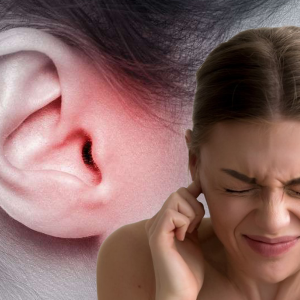
There are several common reasons why tinnitus occurs. In many cases, the cause is not dangerous, but identifying it is essential.
Frequent exposure to loud environments—such as concerts, construction sites, or headphones at high volume—can damage the tiny hair cells in the inner ear. This is one of the leading causes of tinnitus.
Wax buildup, fluid, or infections in the ear canal can interfere with sound transmission and lead to temporary ringing.
As people age, hearing naturally declines. Tinnitus is often associated with age-related hearing loss, especially in individuals over 50.
While occasional ringing is common, persistent tinnitus may indicate more serious health conditions.
In some cases, tinnitus—especially a rhythmic or pulsing sound—can be linked to blood flow issues. Conditions such as high blood pressure or narrowed blood vessels may cause changes in circulation that affect the ears.
Chronic tinnitus can sometimes be associated with neurological conditions affecting the brain and auditory nerves. Although rare, it may be linked to tumors or nerve damage.
Mental health also plays a role. High stress levels can worsen tinnitus, creating a cycle where anxiety increases the perception of ringing.
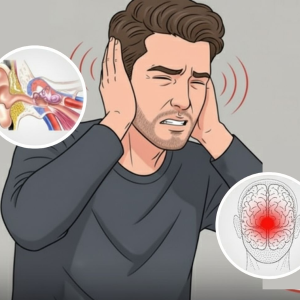
The ear and brain work closely together to process sound. When the auditory system is damaged or disrupted, the brain may compensate by generating phantom sounds—what we perceive as tinnitus.
This explains why tinnitus is not only an ear problem but also involves the central nervous system. In some cases, the brain amplifies these signals, making the condition more noticeable over time.
Doctors recommend seeking medical attention if tinnitus:
These symptoms may indicate a more serious underlying condition requiring professional evaluation.
Are you one of those people who can’t drift off without the rhythmic hum and cool breeze of a fan?…
Ringing in the ears, medically known as tinnitus, is a common condition that affects millions of people worldwide. Many individuals…

At an Oxfordshire hospice, chef Spencer Richards makes sure those nearing the end of their life are served meals prepared…

When it comes to your routine of keeping your skin and teeth healthy, nature often provides the most powerful solutions.…

For most people, rings are just a piece of jewelry that serves the purpose of matching an outfit or simply…

For decades, the conversation around peanuts was often dominated by concerns over allergies or high calorie counts. However, as we…