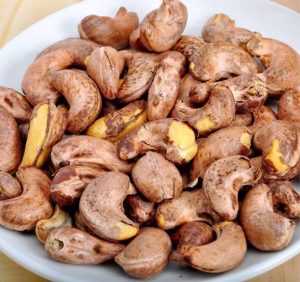
Cashew nuts are widely loved for their rich, buttery flavor and impressive nutritional profile. From snacks to gourmet dishes, they are a staple in many diets around the world. However, recent claims circulating online suggest that eating cashew nuts may lead to various health problems. These statements have caused confusion and concern among consumers. What do doctors and scientific research actually say? This article explores the truth about cashew nuts, separating myths from facts and providing a balanced view of their effects on health.
Nutritional Value of Cashew Nuts

Cashew nuts are packed with essential nutrients that support overall health. They are a good source of:
- Healthy fats, particularly monounsaturated and polyunsaturated fats
- Protein, important for muscle repair and growth
- Minerals such as magnesium, zinc, iron, and copper
- Vitamins, including vitamin K and several B vitamins
These nutrients contribute to heart health, brain function, and immune system support. In moderate amounts, cashews can be a valuable addition to a balanced diet.
Common Health Concerns
Despite their benefits, some doctors warn that excessive consumption of cashew nuts may lead to certain health issues. These concerns are often misunderstood or exaggerated.
1. High Calorie Content
Cashews are calorie-dense. Eating large quantities regularly can contribute to weight gain if not balanced with overall calorie intake. A small handful (about 28 grams) already contains around 150–170 calories.
2. Allergic Reactions
One of the most serious concerns is nut allergy. Cashews are among the tree nuts that can trigger allergic reactions in sensitive individuals. Symptoms may include itching, swelling, difficulty breathing, or even life-threatening anaphylaxis in severe cases.
3. Kidney Stone Risk
Cashews contain oxalates, compounds that can contribute to kidney stone formation when consumed in excess, especially in people who are already prone to this condition.
Do Cashews Cause Harmful Effects?
Some online claims suggest that cashews can cause severe health damage. However, most doctors agree that these claims are often misleading.
Cashews are not inherently dangerous. Problems typically arise only when:
- They are consumed in excessive amounts
- The individual has a pre-existing condition (such as allergies or kidney issues)
- They are prepared with added salt or unhealthy oils
In fact, numerous studies show that moderate consumption of nuts, including cashews, is associated with reduced risk of heart disease and improved metabolic health.
Raw vs. Roasted Cashews
It is important to note that truly raw cashews are not safe to eat because they contain a toxic substance called urushiol, also found in poison ivy. However, the cashews sold in stores are always processed (steamed or roasted) to remove this toxin.
Roasted cashews are safe and widely consumed, but flavored varieties may contain high levels of sodium or sugar, which can reduce their health benefits.
Benefits Supported by Doctors
Doctors and nutritionists often recommend cashews as part of a healthy diet when eaten in moderation. Some key benefits include:
- Heart Health: Healthy fats help lower bad cholesterol (LDL)
- Brain Function: Magnesium supports nerve function and cognitive health
- Bone Strength: Cashews contain minerals like phosphorus and calcium
- Energy Boost: Their nutrient density provides sustained energy
These benefits highlight why cashews are included in many dietary guidelines.
How Much Is Too Much?
Moderation is key. Most experts recommend:
- A small handful per day (about 20–30 grams)
- Avoiding heavily salted or sugar-coated versions
- Pairing nuts with fruits or vegetables for balanced nutrition
Overeating, even healthy foods like cashews, can lead to unwanted effects such as weight gain or digestive discomfort.
Conclusion
The claim that “eating cashew nuts causes harm” is not entirely accurate. While there are certain risks associated with overconsumption or specific health conditions, cashews are generally safe and highly nutritious when eaten in moderation. Doctors emphasize balance rather than avoidance. Instead of fearing cashews, consumers should focus on portion control and overall dietary habits. By doing so, they can enjoy the delicious taste and numerous health benefits of this popular nut without unnecessary concern.