
Nostradamus Predicted: Those Who Have a Cat at Home Carry a Hidden Destiny…
For centuries, Nostradamus has been known as the man who foresaw wars, disasters, and even the fate of nations. But…
21/03/2026 18:15
As people age, dietary choices become increasingly important in maintaining overall health, preventing chronic disease, and supporting longevity. Among commonly recommended fruits, bananas often stand out for their convenience and nutritional value. But is eating a banana every day beneficial—or potentially harmful—for individuals over 60?
Recent discussions online have raised concerns, but nutrition experts suggest the reality is far more nuanced.
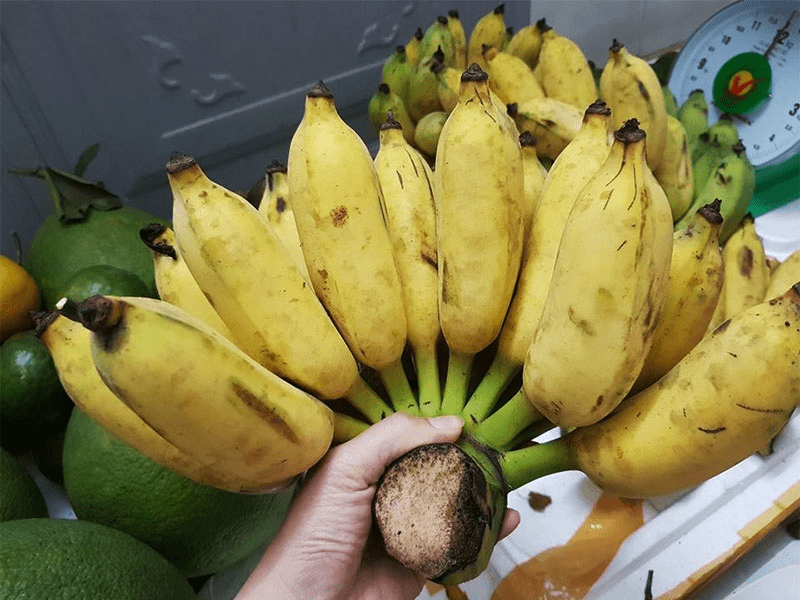
A Nutritional Powerhouse for Aging Bodies
Bananas are rich in essential nutrients that are particularly valuable for older adults. They contain high levels of potassium, a mineral that helps regulate blood pressure and supports heart function—two critical concerns for people over 60.
In addition, bananas provide:
For many seniors, these nutrients can help address common age-related issues such as weakened immunity, digestive irregularities, and cardiovascular risk.

The Potassium Factor: Benefit or Concern?
While potassium is beneficial, excessive intake can pose risks—especially for individuals with kidney disease. As kidney function declines with age, the body may struggle to eliminate excess potassium, potentially leading to a condition known as hyperkalemia, which can affect heart rhythm.
However, for healthy individuals with normal kidney function, one banana per day is generally considered safe and even beneficial.
Blood Sugar Considerations
Bananas contain natural sugars, which can raise concerns for older adults managing diabetes or insulin resistance. A medium banana has a moderate glycemic load, meaning it can cause a gradual increase in blood sugar rather than a sharp spike.
Nutritionists recommend pairing bananas with protein or healthy fats—such as yogurt or nuts—to help stabilize blood glucose levels.
Digestive Health and Energy Support
Aging often slows down digestion, and bananas—especially ripe ones—are easy to digest and gentle on the stomach. They also provide quick energy, making them a practical snack for older adults who may experience fatigue or reduced appetite.
Interestingly, slightly unripe bananas contain resistant starch, which acts as a prebiotic, feeding beneficial gut bacteria and supporting intestinal health.

So, Should Seniors Eat Bananas Daily?
For most people over 60, eating one banana a day can be part of a healthy, balanced diet. The key lies in moderation and individual health conditions.
Experts advise:
The Bottom Line
Bananas are neither a miracle food nor a hidden danger. For older adults, they offer a convenient, affordable, and nutrient-rich option that supports heart health, digestion, and energy levels.
As with any dietary habit, personalization is essential. Consulting with a healthcare provider or nutritionist can help ensure that daily banana consumption aligns with individual health needs.
In the end, a single banana a day is unlikely to cause harm—and may, in fact, contribute to healthier aging when consumed wisely.
For centuries, Nostradamus has been known as the man who foresaw wars, disasters, and even the fate of nations. But…

Don’t overthink. Just look at the image and choose the woman you find most attractive. Your first instinct says more…

What Your Visible Veins Might Be Telling You: When It’s Normal, and When to Pay Attention Have you ever looked…

At first glance, these nail designs may look like simple fashion choices. But surprisingly, the one you’re drawn to first…

As people age, dietary choices become increasingly important in maintaining overall health, preventing chronic disease, and supporting longevity. Among commonly…

Song Meiling, widely known as Madame Chiang, remains one of the most influential women in modern Chinese political history. As…